
Speaker
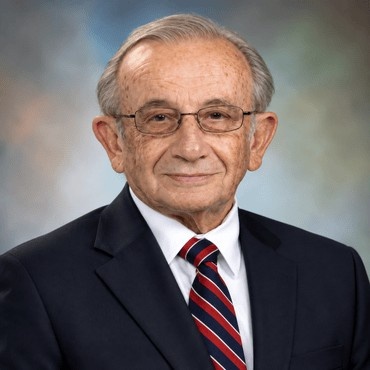
Dr. Mahmoud S. Ahmed
University of Texas , USA
, Professor Emeritus (2023), OBGYN Department, University of Texas Medical Branch (UTMB), Galveston, TX USA
Biography :
Dr. Ahmed started his research career at U.S. Universities in 1970 as a student at the University of Tennessee Health Sciences Center, Memphis, TN (UT). Subsequently, he held positions at The Johns Hopkins University (JHU), Baltimore, the University of Missouri Kansas City (UMKC), Kansas University medical center (KU) and University of Texas Medical Branch, Galveston, TX. He spent the last 56 years in the faculty of medical schools until appointed in his current position in 2023. Dr. Ahmed, during the 80s and early 90s, pioneered the research on Opioid receptors and their mediated responses in human placenta, a non-neuronal tissue. His research was funded by the National Institute on Drug abuse (NIDA). Subsequently, he proposed an additional role/function for human placentas, namely, regulation of the transfer of xenobiotics including medications from the maternal to the fetal circulations. Accordingly, NAS intensity should depend on opiate levels in the fetal and not maternal circulation. Dr. Ahmed, at UTMB, established a team of clinical and translational research scientists and founded the Maternal-Fetal Pharmacology and Bio-development Laboratories (MFPBL). The team, between 2004 and 2022, became one of three NICHD centers in the U.S.A. The team demonstrated that the role of human placenta as a functional barrier is achieved by the activities of placental enzymes and efflux transporters. These proteins are subject to the expression of feto-placental, not maternal, genome. Dr. Ahmed is member of U.S. and European scientific societies (biochemistry, pharmacology and maternal fetal medicine), a consultant of the FDA and CDC as well as a recipient of National and International awards and honors including the Mildred Harvey and Phyllis Hankins distinguished chair in Obstetrics and Gynecology, UTMB.
