
Speaker
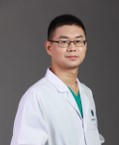
Prof. Bobin Mi
Union Hospital China
Biography :
Prof. Bobin Mi is a distinguished orthopaedic surgeon and scientist in the Department of Orthopaedics, Union Hospital, Tongji Medical College, Huazhong University of Science and Technology (HUST) in Wuhan, China. His research career is dedicated to advancing the fields of regenerative medicine and musculoskeletal tissue repair through the innovative design of biomaterials and a deep understanding of stem cellular and molecular pathobiology. A central theme of his work involves the development of intelligent, multi-functional hydrogel systems and nanocomposite scaffolds that enable the controlled, stimuli-responsive delivery of therapeutic agents. These advanced materials are specifically engineered to address some of the most refractory clinical challenges in orthopaedics and wound care, such as promoting fracture healing in diabetic patients with compromised regenerative capacity and accelerating the repair of chronic, non-healing wounds through immunomodulation and metabolic regulation. Concurrently, Prof. Mi investigates the fundamental biological mechanisms that govern bone homeostasis, focusing on the intricate crosstalk between the immune system, skeletal stem cells, and metabolic pathways like glycolysis, as well as the emerging role of peripheral nerves in bone regeneration. His research embodies a holistic "immuno-osteology" perspective, exploring how aging and systemic diseases disrupt these coordinated networks. Prof. Mi has an extensive publication record, with numerous articles appearing in leading international journals including Bioactive Materials, ACS Nano, Advanced Materials, and Bone Research, reflecting the high impact and translational potential of his work. Through his collaborative efforts within the orthopaedic department and his integration of materials science, molecular biology, and clinical insight, Prof. Mi strives to bridge the critical gap between bench-side discoveries and practical bedside therapies. His ultimate goal is to translate these fundamental biological insights and novel biomaterial strategies into effective, next-generation clinical treatments that can improve outcomes for patients suffering from complex fractures, bone defects, and debilitating metabolic bone diseases.
